
HVAC Services in Denver, NC
Local HVAC Contractor & Gas Line Expertise
Near Lake Norman in Denver, NC, homes and businesses face unique climate demands. Our HVAC contractor and gas line installation services keep your systems running reliably through hot, humid summers and variable winters. Whether you're upgrading to efficient heat pump technology or extending natural gas lines to new appliances, we handle the full scope of heating, air conditioning, and gas work with precision and care.
This page covers what's involved in HVAC and gas line work, why proper installation matters for comfort and safety, and how our approach keeps your Denver home efficient year-round.
How HVAC Installation Works
A proper HVAC installation involves careful planning, correct equipment sizing, and clean execution. We walk through each stage so you know what to expect.
Assessment & Planning
We begin with a load calculation and a walkthrough of your Denver home. We check insulation, window condition, ductwork (if existing), and your local building code requirements. This step is critical—an undersized or oversized system wastes energy and money.
Field Note: North Carolina's humid subtropical climate means AC units work harder to remove moisture. Our load calculations always account for high summer humidity near Lake Norman.
Equipment Selection & Permitting
We help you choose the right system—heat pump, furnace, or hybrid setup—based on your budget and comfort needs. We then handle all permit paperwork with Lincoln County Building & Inspections.
Installation & Ductwork
Our crews install the outdoor unit, indoor air handler, and all ductwork or refrigerant lines. Every joint is sealed. For gas systems, we run supply lines, install regulators, and test for leaks. All work meets NC Mechanical Code standards.
Testing & Inspection
We run airflow tests, calibrate thermostats, and verify refrigerant charge. Gas lines are pressure-tested and inspected. The county inspector then signs off on the work.
What We Install
Our core services include heating systems, air conditioning, heat pumps, and natural gas line work.
Air Conditioning Service
Central AC units work year-round in Denver homes near waterfront communities. We install high-efficiency systems with SEER2 ratings of 14.3 or higher (NC standard). Our teams handle window units for rental properties and larger split systems for custom homes.
- New AC installation with proper ductwork sizing
- Humidity control (crucial in summer months)
- Refrigerant handling (new A2L standards)
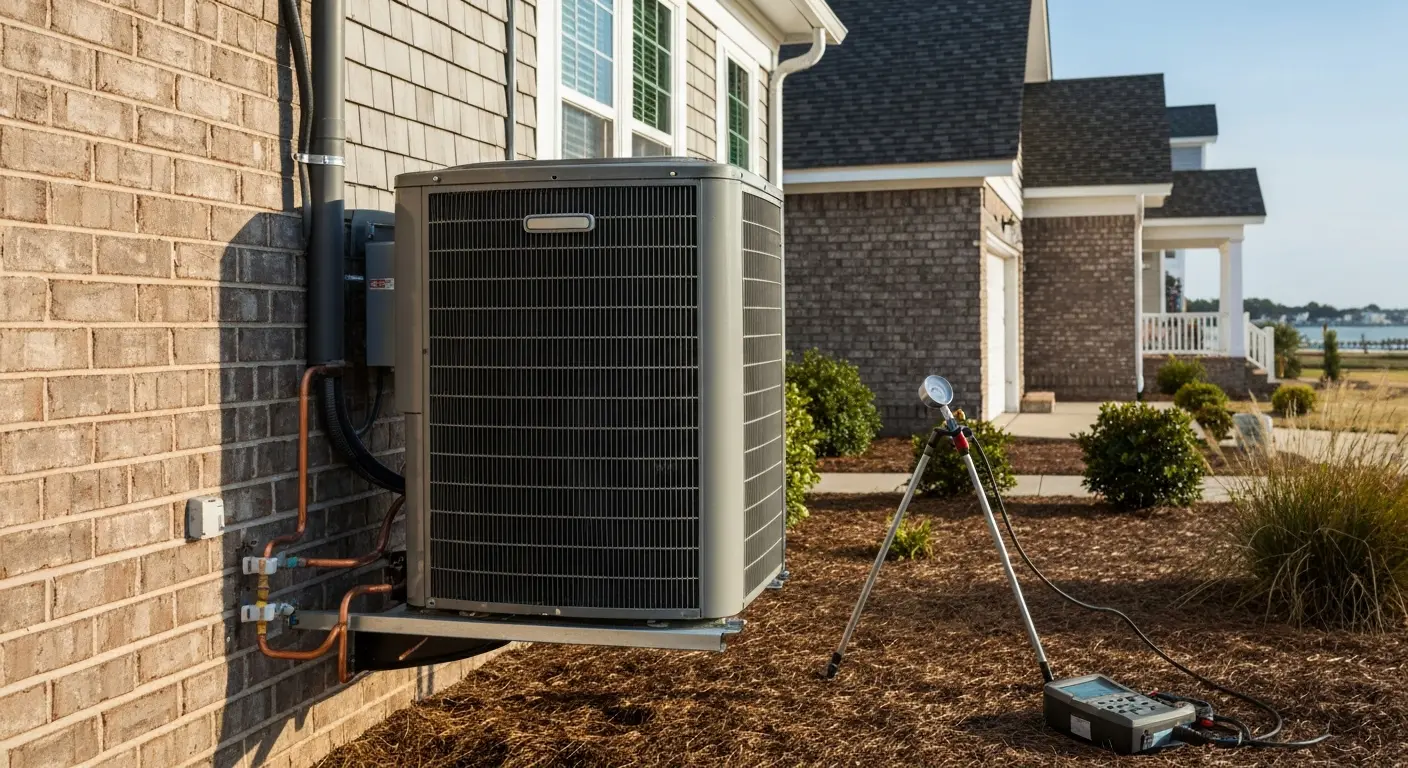
Professional AC install in waterfront homes near Norman Point community.
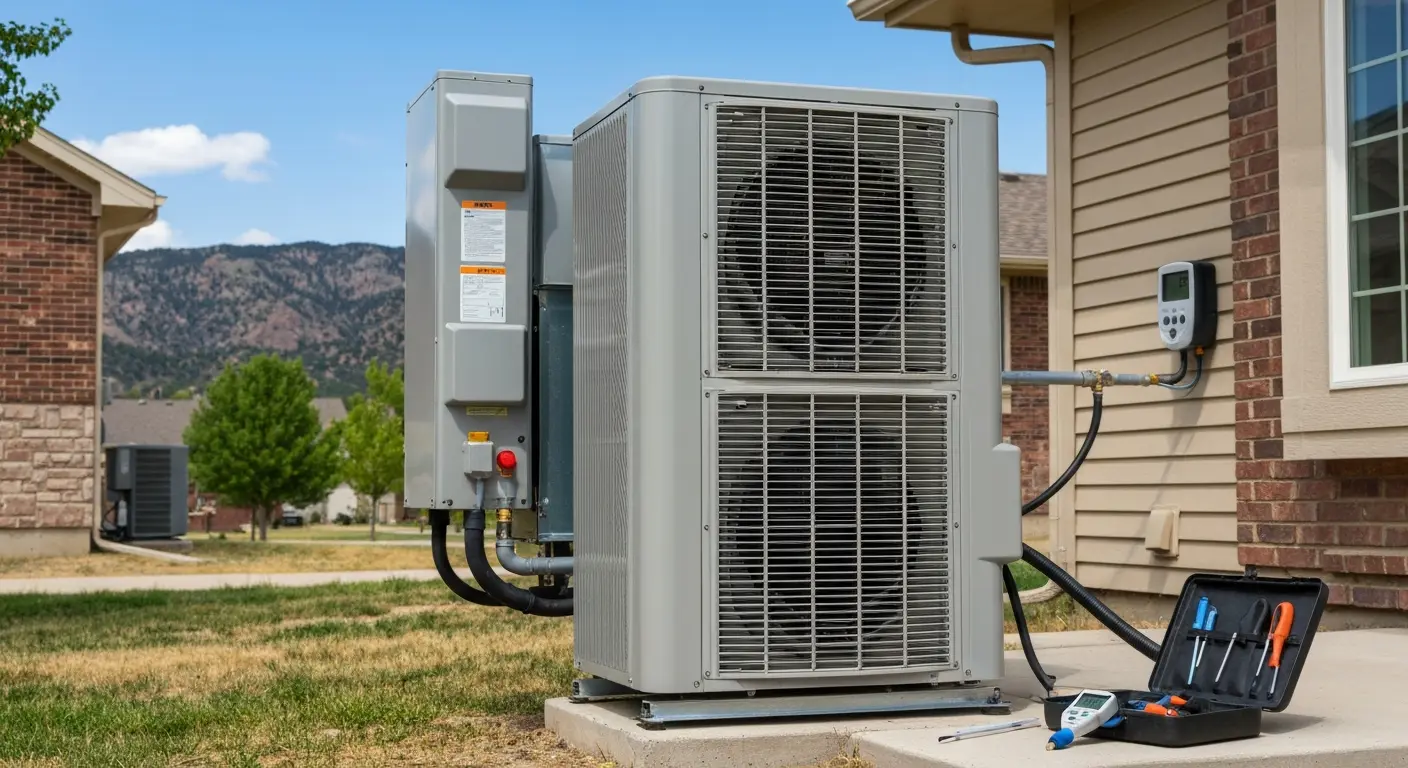
Heat pump system serving Willow Farms and James Plantation residents.
Heat Pump Installation
Heat pumps are ideal for Denver's moderate winters and hot summers. They heat and cool in one system, qualify for federal tax credits, and operate efficiently until temperatures drop sharply. We install cold-climate heat pumps rated for NC Zone 4A conditions.
- Air-source and ductless mini-split options
- Dual-fuel hybrid systems (heat pump + gas backup)
- Tax credit guidance and paperwork support
Gas Furnace & Heating
Gas furnaces remain a standard choice. We install high-efficiency models (90+ AFUE) with proper venting and combustion air intake. Forced-air systems work seamlessly with existing AC ductwork in split homes across Denver neighborhoods.
- Gas furnace sizing and variable-speed models
- Venting compliance with NC code
- Integration with existing systems
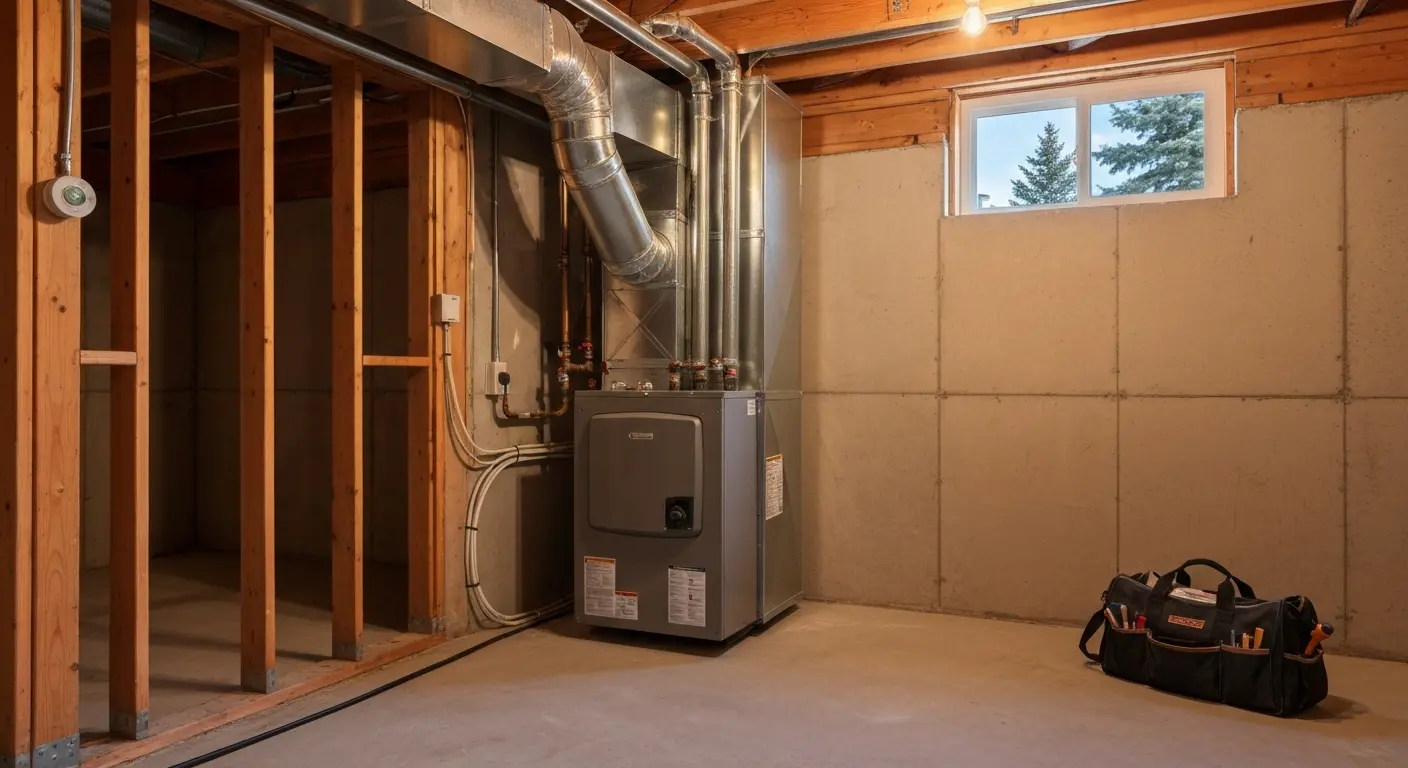
High-efficiency furnace installed in Lakewood neighborhood, Denver.
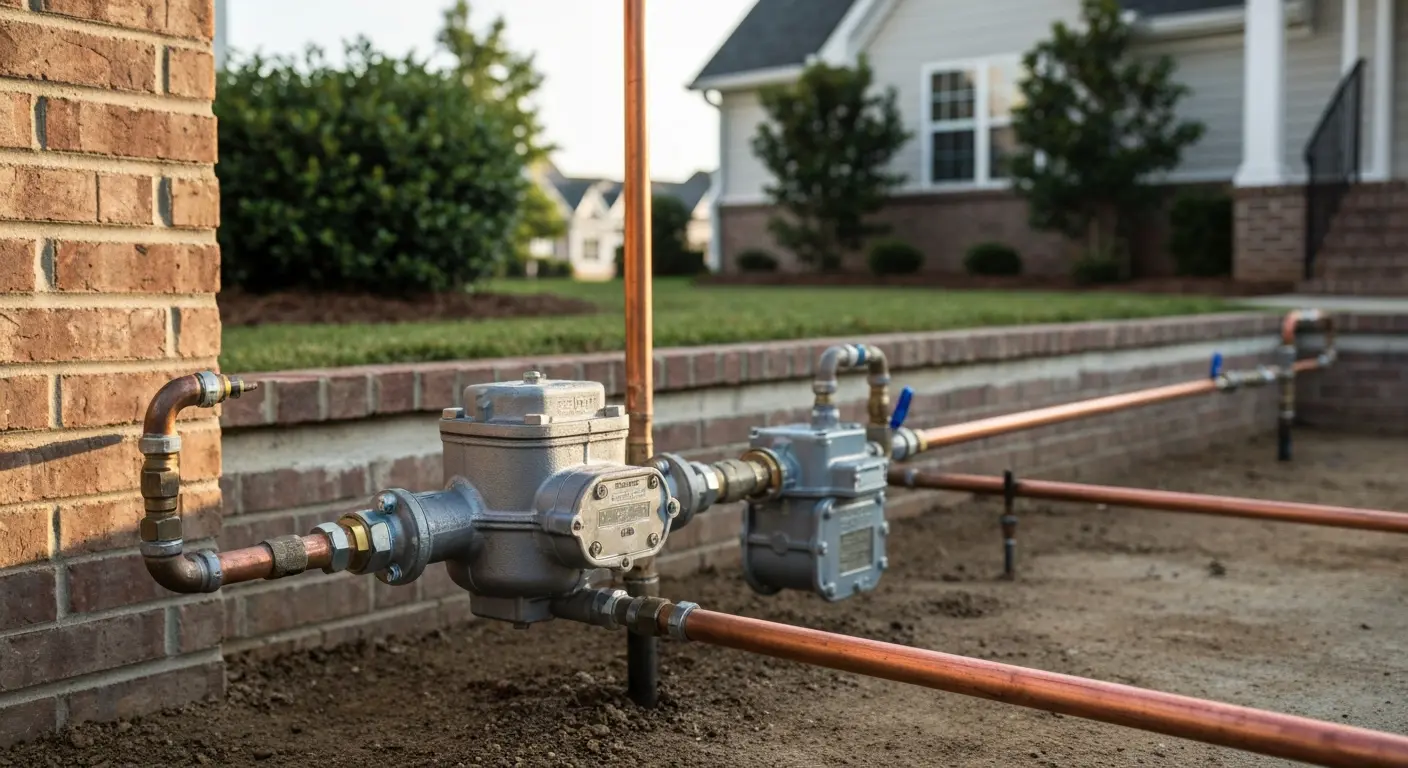
Residential gas line work in Harbor Oaks and gated communities near Denver NC.
Natural Gas Line Installation
Gas lines serve furnaces, water heaters, grills, and fireplaces. We run black steel or corrugated stainless steel tubing from the meter to appliances. Every line is pressure-tested and labeled per NC Fuel Gas Code. We also handle upgrades and extensions for remodels.
- New gas line runs and extensions
- Regulator installation and pressure testing
- Permit coordination with Lincoln County
Why Professional Installation Matters
Proper HVAC and gas work protects your comfort, safety, and wallet.
Energy Efficiency
Right-sized systems run longer cycles, remove humidity better, and lower your monthly utility bills. A 1/8' refrigerant undercharge cuts cooling capacity by 20%—precision matters.
Safety & Compliance
Gas leaks and combustion venting errors carry serious health risks. NC licenses, inspections, and code compliance protect your family. We document everything for your records.
System Longevity
Clean installation reduces early wear. Proper commissioning catches problems before they become expensive failures. Well-maintained systems last 15–20 years.
Local Insight: Lake Norman communities experience high summer humidity and occasional winter ice. Our systems are sized and maintained to handle these swings without strain.
Serving Denver, NC & Surrounding Areas
We install and service homes and businesses across Denver and nearby Lake Norman communities.
Our service area includes waterfront properties and gated communities like Norman Point, Harbor Oaks, Lakewood, Willow Farms, James Plantation, and Smithstone. We're familiar with the Lincoln County permit process, elevation differences, and building varieties from ranch homes to custom waterfront designs.
How to Reach Us
From Charlotte Douglas International Airport, head south on Old Dowd Road. Take US-29 South, then turn onto US-16 North and continue toward Denver. Our office is accessible via Highway 16, which connects Denver directly to I-85 and the airport.
Call or visit our office during business hours to discuss your HVAC and gas line needs. We offer free estimates and answer questions about efficiency upgrades, financing, and tax credits.
Frequently Asked Questions
Do I need a permit for HVAC or gas line work in Denver, NC?
Yes. Most new installations and gas line extensions in Lincoln County require a mechanical permit and inspection. We handle all permitting and inspection coordination with the county building department.
What's the difference between a heat pump and a furnace?
A heat pump moves heat in both directions (heating in winter, cooling in summer) using electricity. A furnace burns gas to generate heat. Heat pumps work well in Denver's moderate climate and qualify for federal tax credits; furnaces cost less upfront but don't cool.
Why is load calculation important for my home?
A load calculation determines the exact heating and cooling capacity your home needs based on size, insulation, window area, and climate. Oversized systems waste energy; undersized ones run constantly. North Carolina's humidity demands accurate sizing to control moisture.
Can I run a gas line to my outdoor kitchen or grill?
Yes. We run gas lines outdoors for grills, fire pits, and outdoor heaters. All lines must be rated for outdoor use, properly protected, and tested. Waterfront properties in Lake Norman require corrosion-resistant materials.
What's an A2L refrigerant, and do I need to upgrade?
A2L refrigerants (R-454B, R-32) replace older R-410A and carry lower environmental impact. New systems after January 2025 use A2L by federal mandate. If your system is older and leaking, replacement with A2L makes economic sense given rising R-410A costs.
Do heat pumps work well in Denver's winters?
Cold-climate heat pumps perform well in Denver (IECC Zone 4A). They operate efficiently until temperatures drop below freezing. For homes in higher elevations or those expecting frequent sub-zero days, a dual-fuel hybrid system (heat pump + gas backup) provides optimal economy.
DISCOVER WHAT OUR CUSTOMERS HAVE TO SAY ABOUT US
REVIEWS
proudly serving these areas
Cornelius, NC
Denver, NC
Huntersville, NC
Iron Station, NC
Mooresville, NC
Sherrills Ford, NC
Terrell, NC
READY TO take the next step?
get a free quote TODAY!
QUICK LINKS
our services
service areas
operating HOURS
Mon: 8:00 am - 6:00 pm
Tue: 8:00 am - 6:00 pm
Wed: 8:00 am - 6:00 pm
Thu: 8:00 am - 6:00 pm
Fri: 8:00 am - 6:00 pm
Sat: Closed - Closed
Sun: Closed - Closed